Hardwood flooring installation problems can lead to costly callbacks, wasted materials, and project delays. From subfloor moisture to improper adhesive application, small oversights can create bigger issues once installation is underway or the floor is in use.
For flooring contractors, identifying potential problems before they happen is one of the best ways to protect profit margins and keep projects on schedule. Here are seven common hardwood flooring installation problems to watch for, along with practical ways to help prevent them.
1. Skipping Proper Subfloor Preparation

A successful hardwood flooring installation starts with the subfloor. Even high-quality flooring can develop problems when installed over an uneven, dirty, or unstable surface.
Debris, leftover adhesive, surface contaminants, and uneven areas can interfere with proper installation and affect the finished floor.
How to prevent it:
- Remove dust, debris, and contaminants before installation.
- Check the subfloor for flatness and stability.
- Address uneven areas using appropriate preparation products.
- Confirm the substrate is suitable for the selected flooring system and adhesive.
Taking time to prepare the subfloor can help prevent installation complications and reduce the risk of callbacks.
2. Overlooking Subfloor Moisture

Moisture is one of the most important factors to evaluate before installing hardwood flooring. Excess moisture in a concrete slab, wood subfloor, or surrounding environment can contribute to cupping, warping, gapping, and other flooring failures.
Installing before verifying moisture conditions can put the entire project at risk, especially when working on new construction, ground-level slabs, or recently renovated spaces.
How to prevent it:
- Test the subfloor using the appropriate method for the substrate.
- Check wood subfloor moisture content and compare it with the flooring’s requirements.
- Use the required concrete moisture testing method for the flooring and adhesive system.
- Document readings and confirm they fall within the applicable manufacturer limits.
- Address unacceptable conditions before installation.
Never assume a subfloor is dry simply because it looks or feels dry. Follow the flooring and adhesive manufacturers’ testing requirements before proceeding.
3. Ignoring Acclimation and Jobsite Conditions
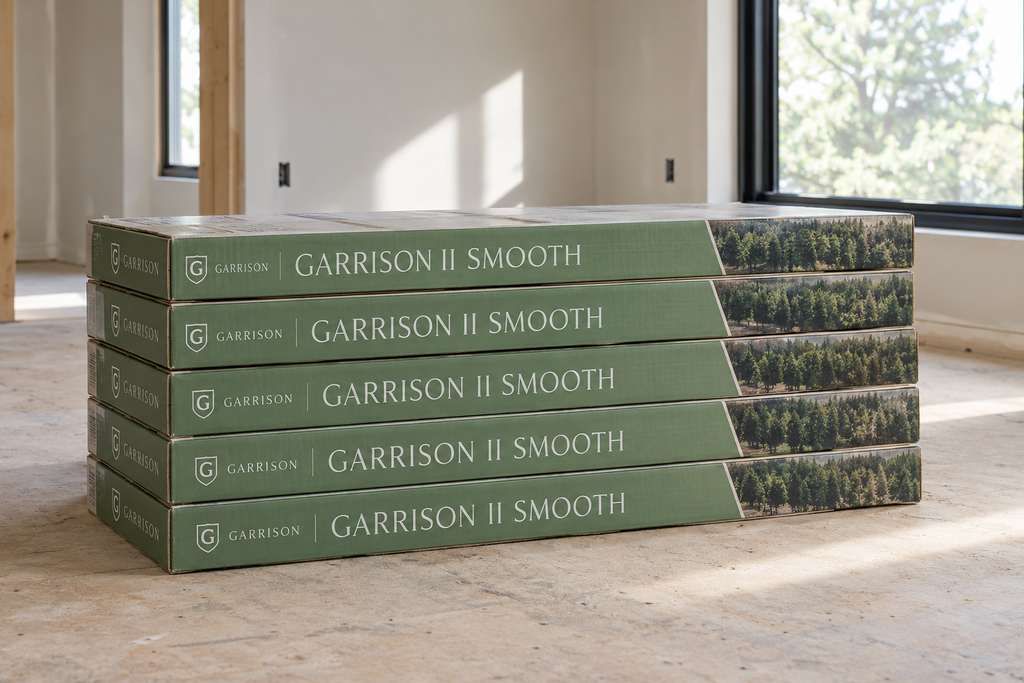
Hardwood responds to changes in temperature and humidity. If flooring is installed under conditions that differ significantly from the environment it will experience after installation, dimensional changes can contribute to gapping, expansion, or other performance issues.
Acclimation requirements vary by product, construction, and manufacturer. Simply leaving flooring onsite for a set number of days does not guarantee it is ready to install.
How to prevent it:
- Confirm the building is enclosed and the HVAC system is operating under appropriate conditions.
- Verify jobsite temperature and relative humidity meet manufacturer requirements.
- Measure wood moisture content when required.
- Follow product-specific acclimation and storage instructions.
- Avoid installing flooring before wet trades and other moisture-producing work are complete.
Checking jobsite conditions before installation helps reduce the risk of movement and problems after the project is finished.
4. Using the Wrong Adhesive or Trowel
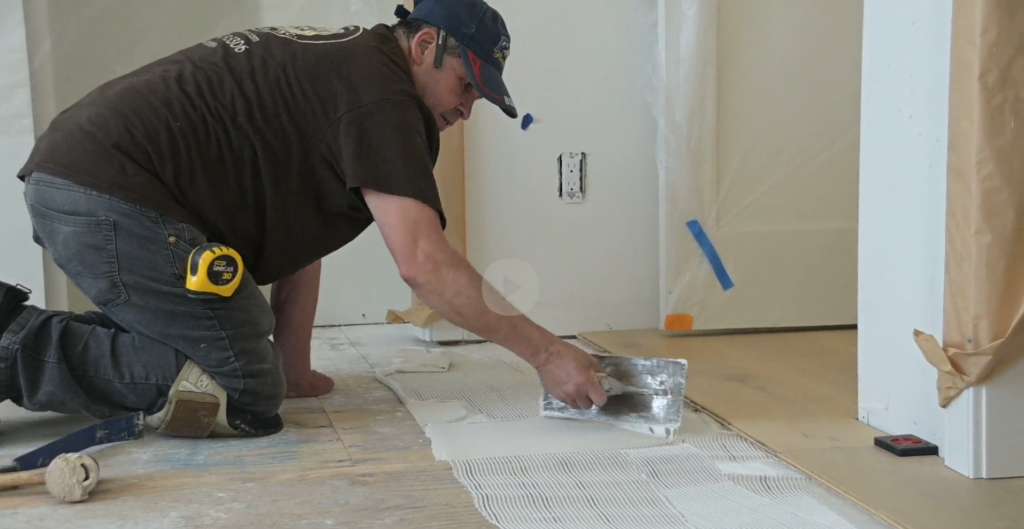
Not every flooring adhesive is suitable for every hardwood product or substrate. Choosing an incompatible adhesive, using the wrong trowel notch, or applying adhesive incorrectly can compromise bond performance and create installation issues.
Insufficient adhesive coverage can lead to hollow spots, movement, or bond failure. Excessive adhesive can create unnecessary cleanup and material waste.
How to prevent it:
- Verify the adhesive is approved for the specific flooring construction and substrate.
- Use the trowel size specified by the adhesive manufacturer.
- Replace worn trowels that no longer provide the required coverage.
- Follow application instructions for spread rate, open time, and working time.
- Check adhesive transfer and coverage as installation progresses.
The right adhesive and proper application technique help support a reliable installation while avoiding unnecessary material costs.
5. Failing to Follow Expansion and Installation Requirements

Wood flooring naturally responds to changes in moisture and environmental conditions. When installation requirements are overlooked, flooring may experience excessive movement, gapping, buckling, or compression.
Expansion requirements, perimeter clearances, fastening methods, and installation patterns depend on the flooring product and installation system.
How to prevent it:
- Follow the manufacturer’s required perimeter expansion clearances.
- Verify transitions and fixed objects allow for the movement required by the flooring system.
- Use the correct installation method for the product.
- Follow fastening patterns or adhesive application requirements as specified.
- Pay attention to room dimensions, layout, and transitions between spaces.
A consistent installation process helps minimize movement-related problems and protects the finished floor.
6. Miscalculating Material Quantities
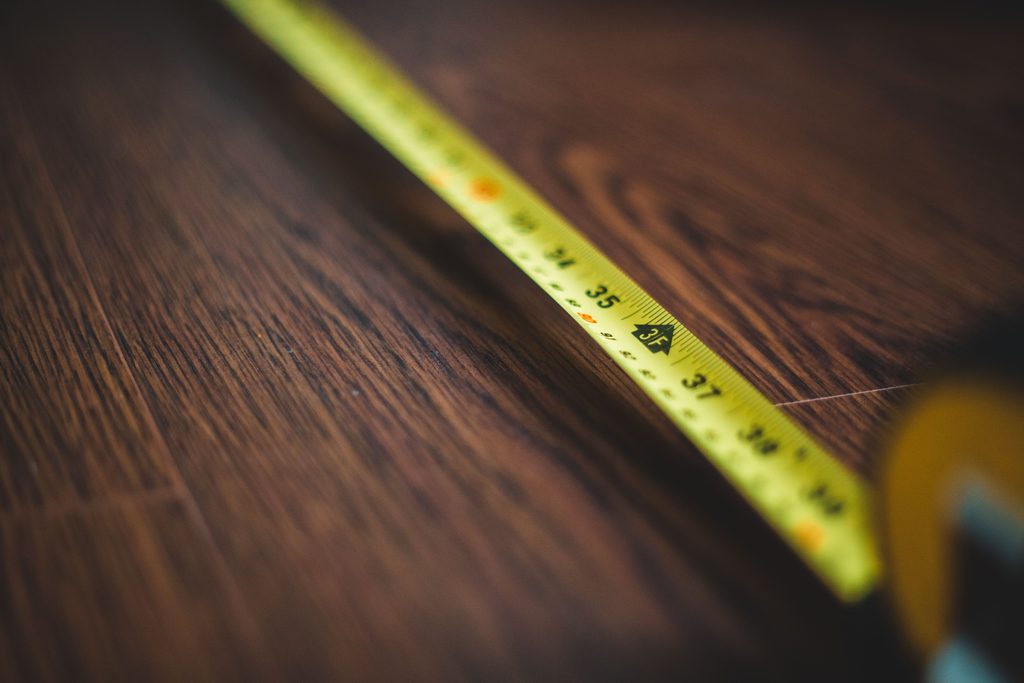
Ordering too little flooring can delay a project while additional material is sourced. Ordering too much can tie up money in unused inventory, particularly when a project requires a specific color, grade, or production lot.
Material estimates should account for more than the room’s basic square footage. Layout, plank lengths, cuts, patterns, and room geometry all affect how much material a job requires.
How to prevent it:
- Measure each room carefully and calculate total square footage.
- Account for waste based on the layout, flooring dimensions, and installation pattern.
- Consider additional cuts around closets, hallways, doorways, and irregular room shapes.
- Include appropriate quantities of transitions, moldings, and other finishing materials.
- Confirm product availability and lead times before scheduling installation.
- Verify whether additional material can be obtained from the same production lot if needed.
Accurate estimating helps keep jobs moving, reduces avoidable supply runs, and protects project profitability.
7. Skipping the Final Inspection and Jobsite Protection
Completing the installation does not mean the job is finished. Poor cleanup, overlooked defects, or inadequate protection during the remaining construction work can turn an otherwise successful installation into a costly callback.
Other trades may still be working in the space, leaving the new floor exposed to scratches, spills, debris, and impact damage.
How to prevent it:
- Inspect the floor for visible defects, damage, gaps, and installation concerns.
- Complete required adhesive cleanup using approved methods.
- Follow the flooring manufacturer’s instructions for curing time and when the floor can be exposed to traffic.
- Protect the finished surface with appropriate materials when additional work is taking place.
- Communicate care and maintenance requirements to the customer.
A final walkthrough and clear handoff help identify concerns early and reduce the chance of disputes after the crew leaves.
Protect Your Next Hardwood Flooring Installation

Many hardwood flooring installation problems can be reduced through careful planning, proper preparation, and consistent attention to manufacturer requirements. Checking moisture conditions, selecting compatible materials, preparing the substrate, and verifying material quantities can help contractors avoid unnecessary delays and expensive callbacks.
Before starting your next job, take a few minutes to review the subfloor, confirm jobsite conditions, verify your installation materials, and make sure everything is ready to go.
Need flooring installation supplies? Old Master Products offers flooring products and installation supplies to help contractors prepare for the job ahead. Contact your local OMP branch for product availability and assistance selecting materials for your next project.